Engineer - Biomass/Agricultural Resources Utilization Engineer
Level of education:
5 to 8 years of higher education (depending on the position)
Related occupations: bioenergy project manager, biomass engineer, biomass consultant
Job Description
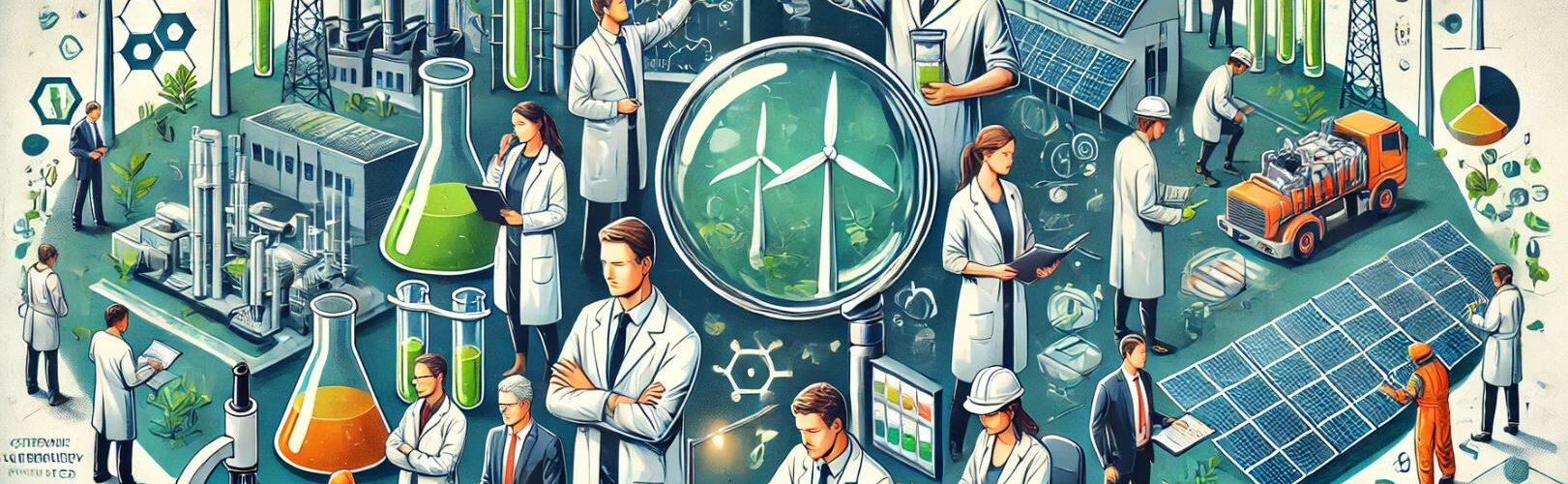
Biomass/agroresource recovery engineers convert biological resources (agricultural residues, organic waste, forest biomass) into energy, materials, or bio-based products. Their work involves designing and optimizing processes in line with the principles of the bioeconomy and sustainable development. Their mission is to reduce environmental impact and make better use of renewable resources.
This field lies at the intersection of agriculture, industry, and the environment.
Key Responsibilities
- Identify, characterize, and mobilize biomass resources
- Designing innovative bioenergy systems and optimizing conversion processes
- Developing strategies for the fractionation and comprehensive utilization of biomass
- Conduct material and process balances, analyze performance, and identify technical bottlenecks
- Assess the environmental impacts of biomass supply chains (LCA) and propose ways to improve them.
- Compare different processing methods based on the composition of the biomass
- Prioritize the options that are most relevant from a technical, economic, and environmental standpoint
- Leading Biomass Conversion Projects
- Developing Innovative Solutions in the Bioeconomy
- Develop industry sectors by building value chains that bring together producers, processors, and users.
- Develop regional partnerships.
- Ensure a reliable supply of biomass.
- Monitor emerging regulatory and technical developments related to innovations.
Skills
- Knowledge of biomass, agriculture, agronomy, and the environment
- Processes for biomass utilization (anaerobic digestion, fermentation, gasification, extraction) and related product value chains
- Environmental Assessment Methods
- Data analysis (methodological review, database structuring) and scientific tools
- Flow Management
- Project management (scope definition, planning, multi-stakeholder governance)
- Ability to synthesize information and construct arguments
- Working in a multidisciplinary team
Level of Education
Required degree: 5 years of post-secondary education; examples of possible master's degrees:
- Master's in Green Chemistry, Catalysis, and the Environment – University of Poitiers,
- Master's in Sustainable Organic Chemistry – Picardie Jules Verne University (Amiens),
- Master's in Green Chemistry – University of Toulouse,
- Master's in Green Chemistry and Eco-Innovations – Savoie Mont-Blanc University (Chambéry),
- Master's in Green Chemistry – University of Strasbourg.
Bachelor's degree plus 8 years of study (Ph.D.). Opportunity to pursue a Ph.D. for positions focused on research or innovation.
employment sectors
- Local governments, labor unions, public agencies, and technical institutes
- Research Laboratories
- Consulting firms, associations, engineering firms
- Energy
- Industry
- Environment
Additional Information
Other possible job titles:
- Agricultural Resources/Agroecology Engineer (M/F)
- Environmental Performance Engineer (M/F)
- Environmental Project Manager (M/F)
- Energy Recovery Engineer (M/F)
- Biomass Engineer (M/F)
- Biomass and Bioenergy Consultant (M/F)
Testimonials
Coming soon …