Planning 2025


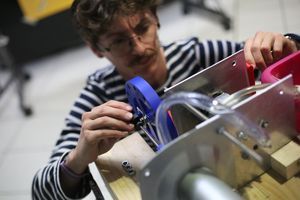
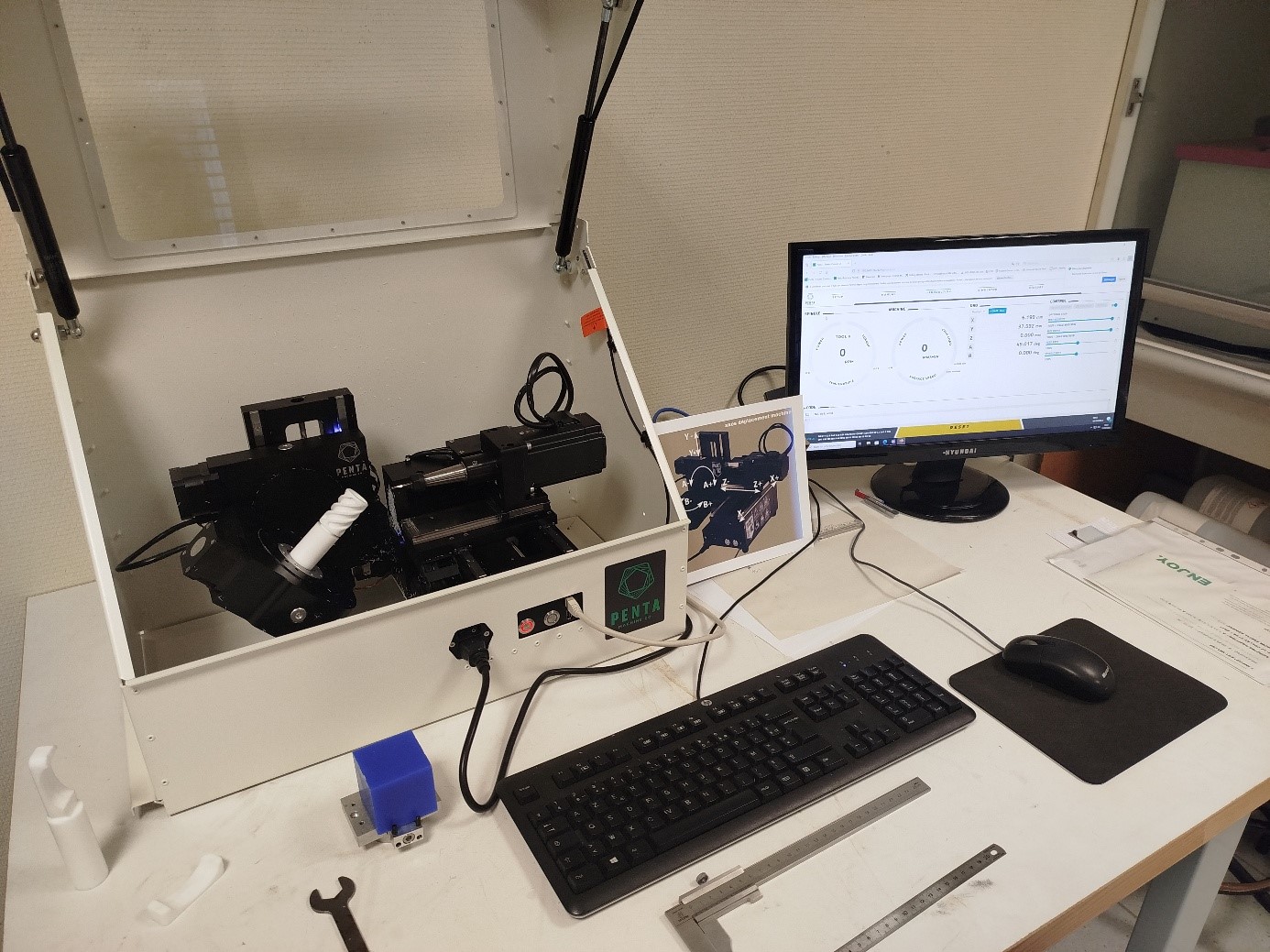 Pocket NC est utilisée dans de nombreuses entreprises industrielles : médical, dentaire, aérospace & défense, biens de consommation, joaillerie et horlogerie, agro-alimentaire, électronique, etc. Pour du prototypage, les utilisateurs apprécient les changements rapides de production et la rapidité d’itération. Elle est employée par la formation Mechanics Mechatronics Materials.
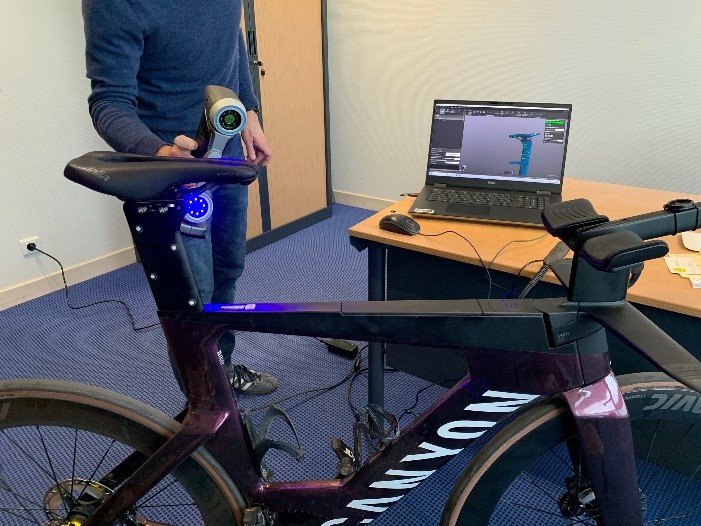 Il utilise la technologie de triangulation laser pour scanner en 3D une grande variété de types de pièces mécaniques, maquettes et prototypes.
Il peut être utilisé pour de nombreux cas d’usage : retro ingénierie, processus de conception et de fabrication, restauration, conservation du patrimoine.
Son utilisation et ses logiciels associés permettent d’obtenir des maquettes virtuelles à partir desquelles les problématiques d’assemblage sont illustrées. Cet appareil est utilisé en formation Mechanics Mechatronics Materials.
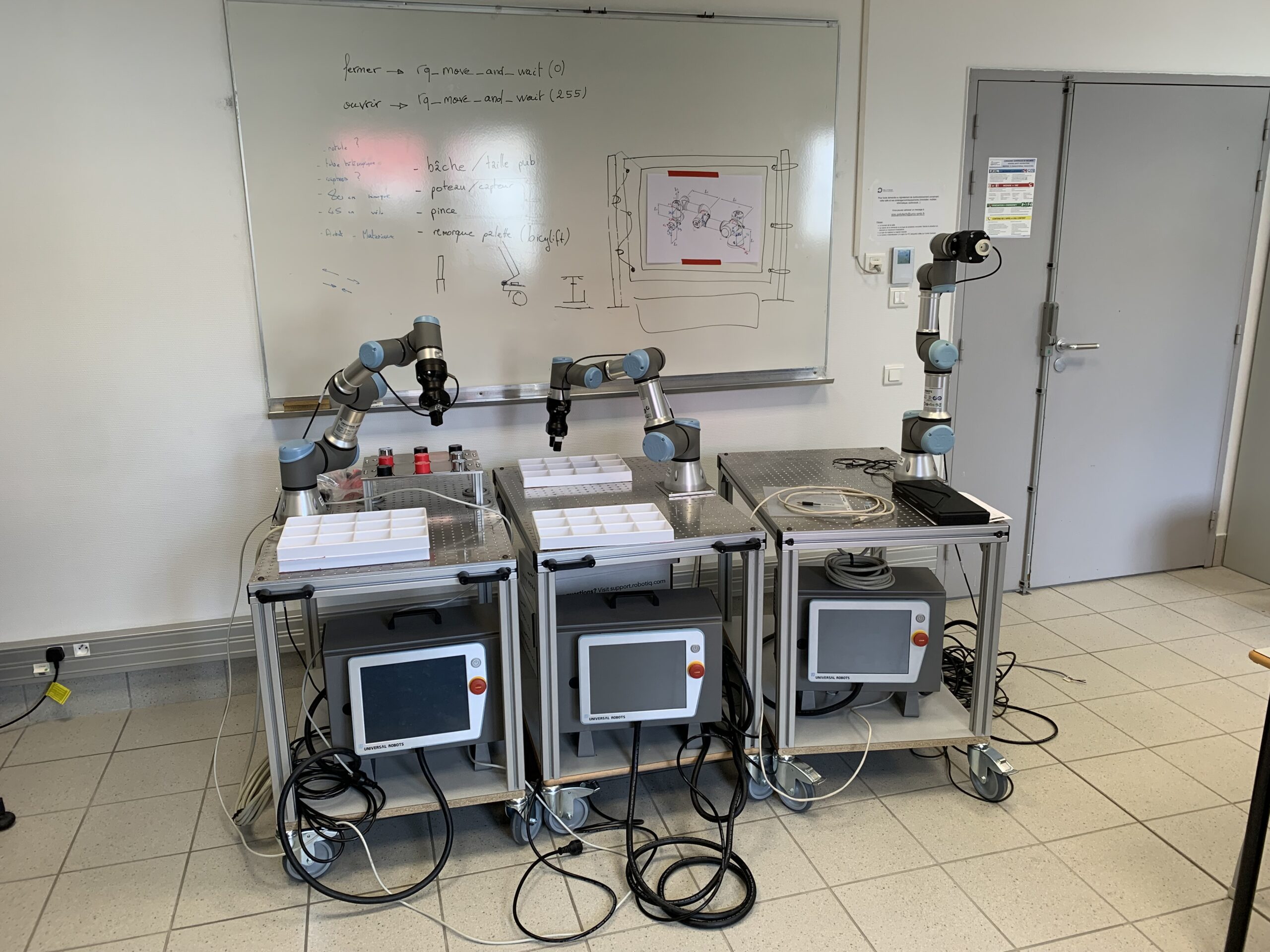 Ces 3 Robots collaboratifs permettent aux étudiants de se placer en situation de pilotage et gestion d’atelier d’assemblage. Le module robotique est maintenant enseigné à un public beaucoup plus large d’environ 50 élèves en Mécanique Mécatronique Matériaux Composites.
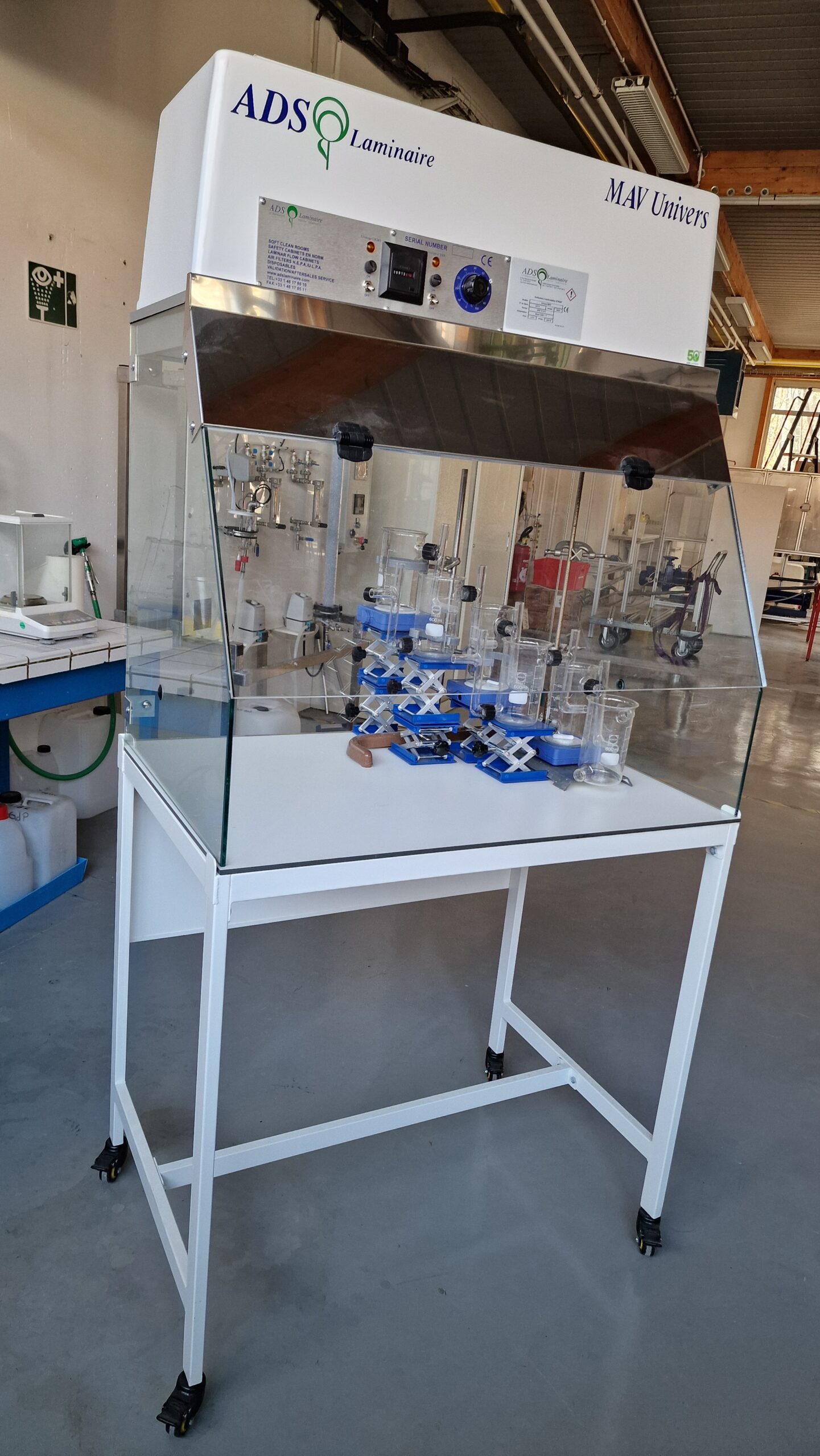 Ce matériel est utilisé sur différentes installations pédagogiques et pour des prototypes de projets de recherche, notamment en chimie avec des composés CMR (cancérogènes, mutagènes ou toxiques pour la reproduction). Cette installation est mise à disposition pour la pédagogie en Écologie Industrielle Territoriale et pour la recherche.
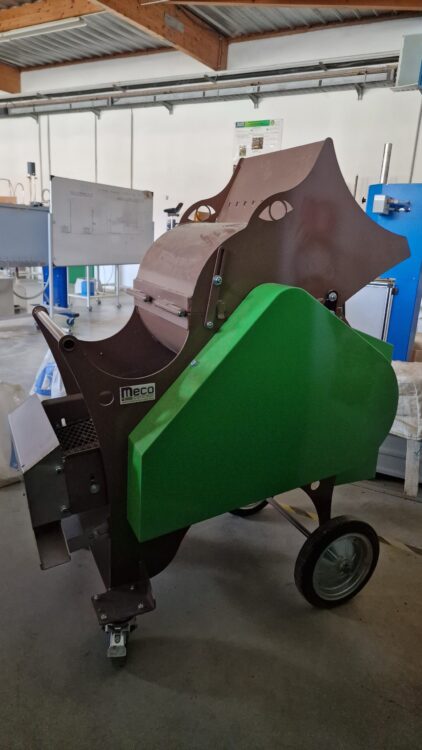 Le cribleur concasseur est utilisé en TP géotechnique pour la formation Sustainable Building Engineering et permet le concassage de terre argileuse très cohérente. Il sert aussi en TP de préparation de briques de terre et de leur mise en œuvre.
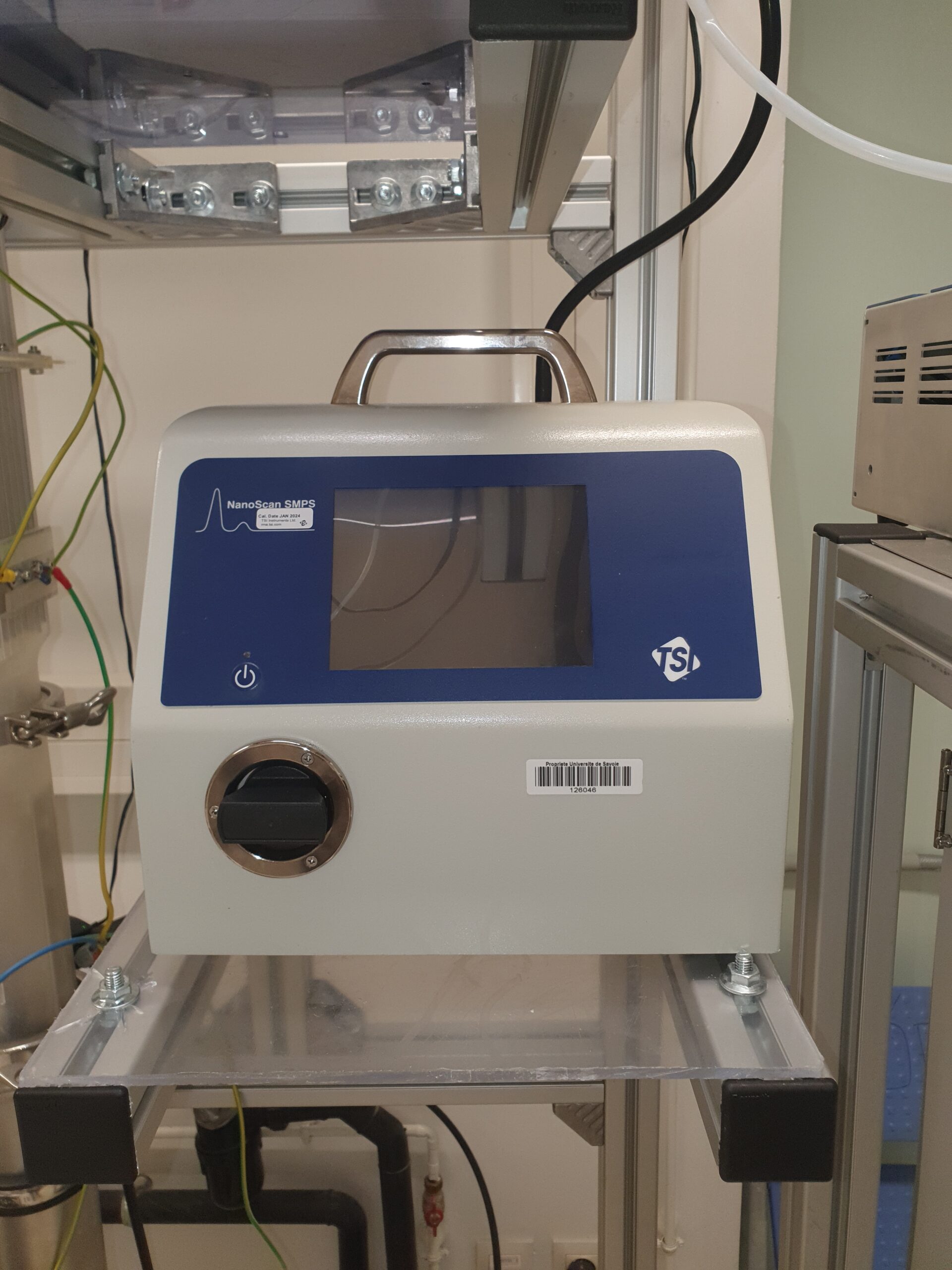
The nanoparticle analyzer can be used to illustrate various aspects of air pollution and air treatment processes, which are covered in 5 series of practical exercises in academics . Industrial ecology engineering.
La academics Mechanical engineering Mechatronics and composite materialsThe growing number of students and apprentices working in the field of robotics means that more and more robotic control systems are needed. The 2 Robot UR3 robotic arms equipped with grippers complete our robotics range.
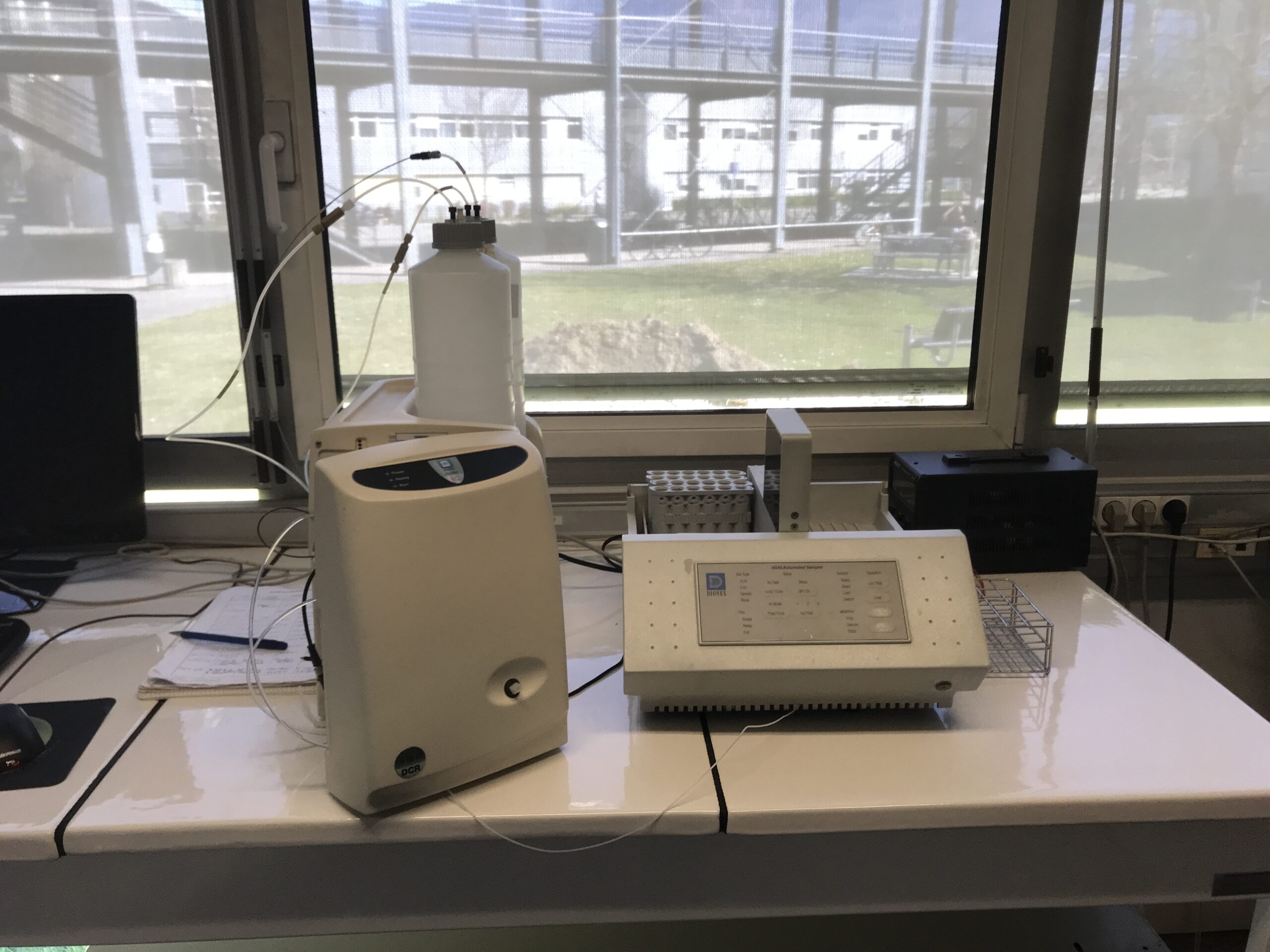 Ion chromatography analysis techniques used in academics Industrial ecology engineering. Students work on natural water samples taken from the Leysse river or Lac du Bourget, and on samples from wastewater treatment plants.
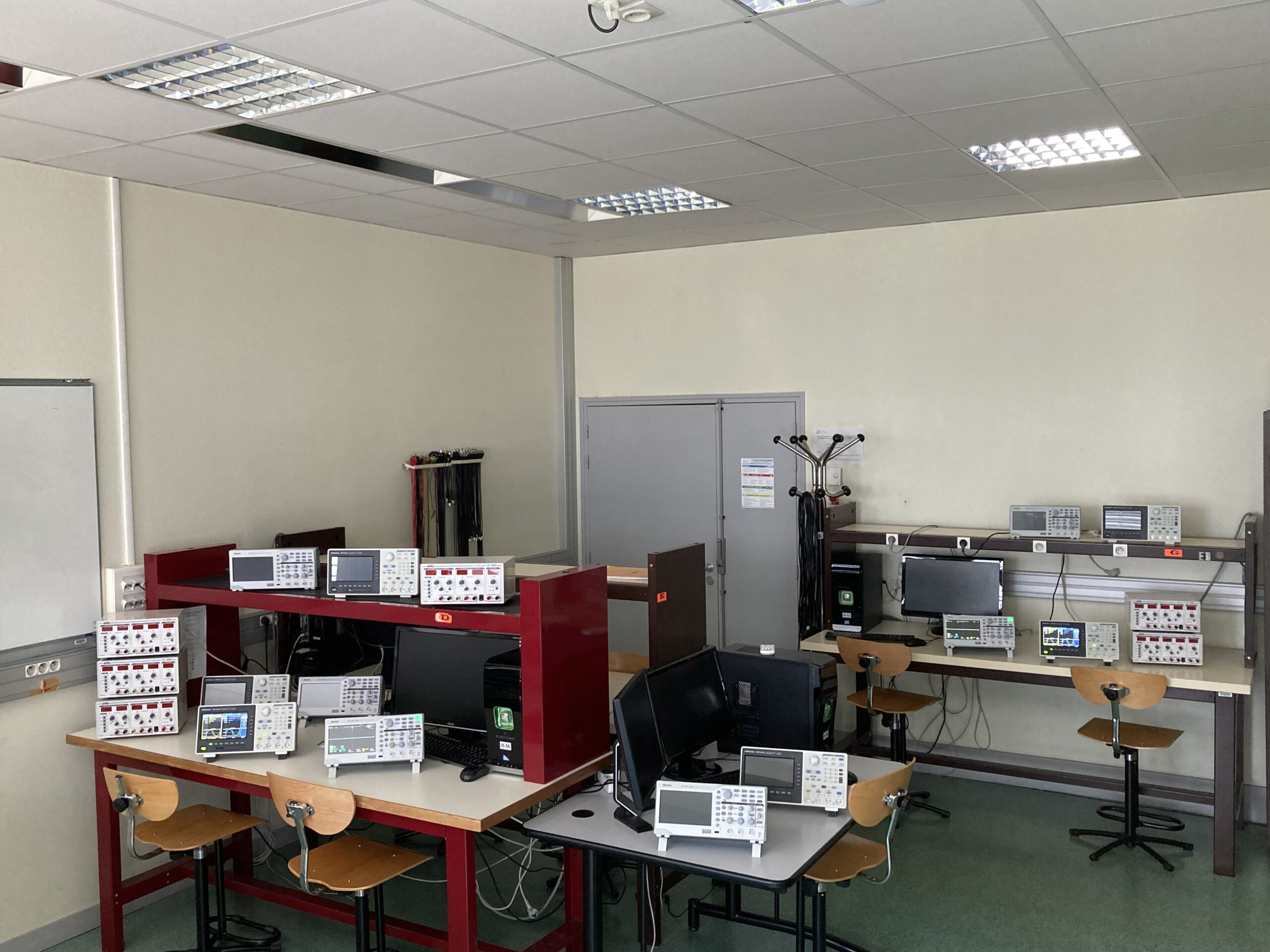 This investment has enabled us to renovate the equipment in a practical room for teaching automatic control with 6 oscilloscopes, 6 signal generators and stabilized power supplies. This equipment is used for Electrical and computer engineering and Mechanical engineering Mechatronics and composite materials.
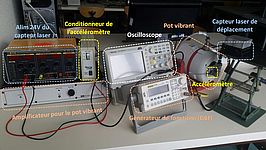 This equipment is used in academics engineering Mechanics Mechatronics in practical vibration work. Three laser sensors are needed to measure the vibrations of small systems. In particular, they are used to calibrate the vibration displacement of free-standing beams. These measurements are used to validate the analytical and numerical approaches studied in class.
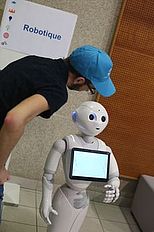
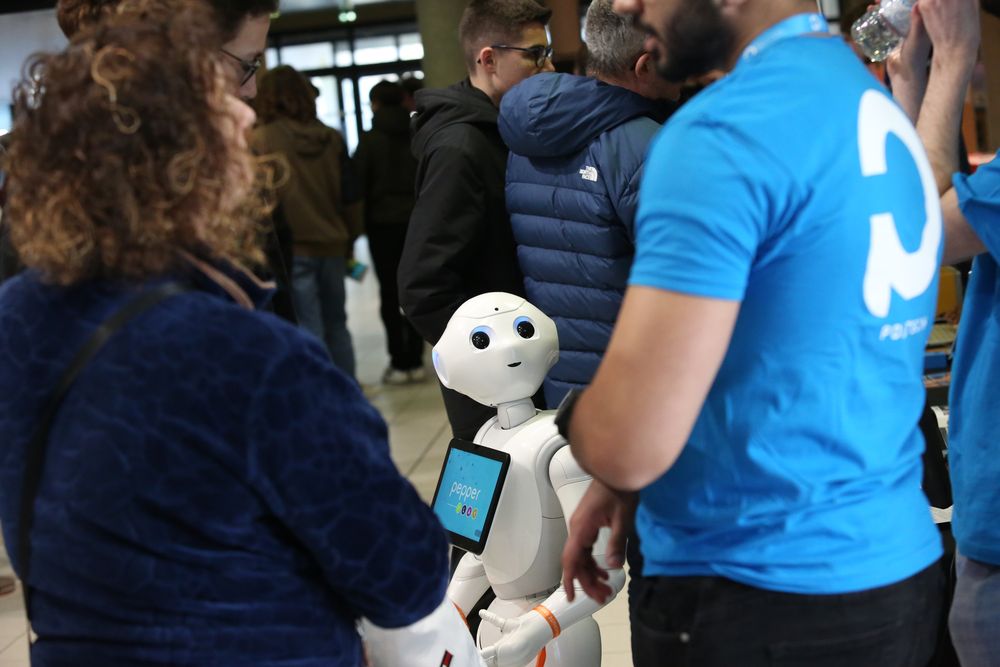
The "service robotics" and "robotics and games" themes of problem-based and project-based learning use robots, in particular Pepper, in the engineering academics . Electrical and computer engineering.
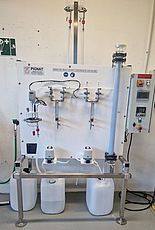 In the engineering academics Industrial and Territorial EcologyThe experimental bench is used to study reactive systems and bioprocesses. It completes the study of continuous reactors with a residence time distribution approach.
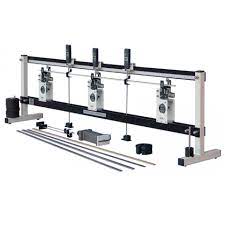
In addition to the study of hyperstatic structures, the continuous beam experimental rig enables us to understand the transfer of loads to neighboring spans, a phenomenon encountered in roof purlins and concrete beams. This equipment is used in the engineering academics Sustainable Building Engineering.
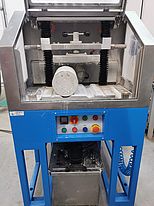 As part of practical concrete work, concrete specimens are made to determine compressive strength. The acquisition of a new grinding machine enables the specimens to be adequately surfaced to ensure proper material characterization. This machine is used in the engineering academics Sustainable Building Engineering.
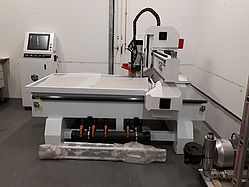
A prototyping machine with a CNC milling machine completes the FabLab's equipment. It is used for practical work, and for the PITON innovation curriculum, for the following engineering courses Sustainable Building EngineeringMécanique Mécatronique Matériaux and in the PeiP preparatory cycle.
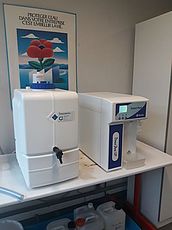
Ultra-pure water is essential for practical work in environmental chemistry. We use it for solvent mixing, particularly in high-performance liquid chromatography, ion chromatography and for Tocmeter applications. This system is used in academics ingénieur Sustainable Building Engineering.
CLe cribleur concasseur est utilisé en TP géotechnique pour la formation Bâtiment Écoconstruction Énergie et permet le concassage de terre argileuse très cohérente. Il sert aussi en TP de préparation de briques de terre et de leur mise en œuvre.